
For generations, the Israelites had been taught that they were the special covenant people of God. They had been uniquely chosen among the nations and God had made a treaty with them. As they considered their history pre-exile that would be easy to argue. They had an established monarchy through the great King David and the wealth and wisdom of Solomon brought prosperity to the whole empire. But after the division of the kingdoms and the ripple effect of sin dominated the landscape, both nations were subsequently destroyed. The southern nation carried the Davidic promises and was deported as exiles to a foreign world. They would eventually be allowed to return, but they were not the same mighty, wealthy, and prosperous people. They returned home to a broken city with nothing and no temple, no monarchy, and no hope for the future.
Chronicles was written at this pivotal time. When Israel returned home, as a shell of its former glory, and not nearly as proud and confident as it once was. Thus the Chronicler writes with a particular theological focus, constantly highlighting God’s work behind the scenes, God’s enforcement of His promises to David, and David’s line. God made particular promises to the house of David, and even though the returning Israelites struggled to see it, God was still working on behalf of His covenant people.
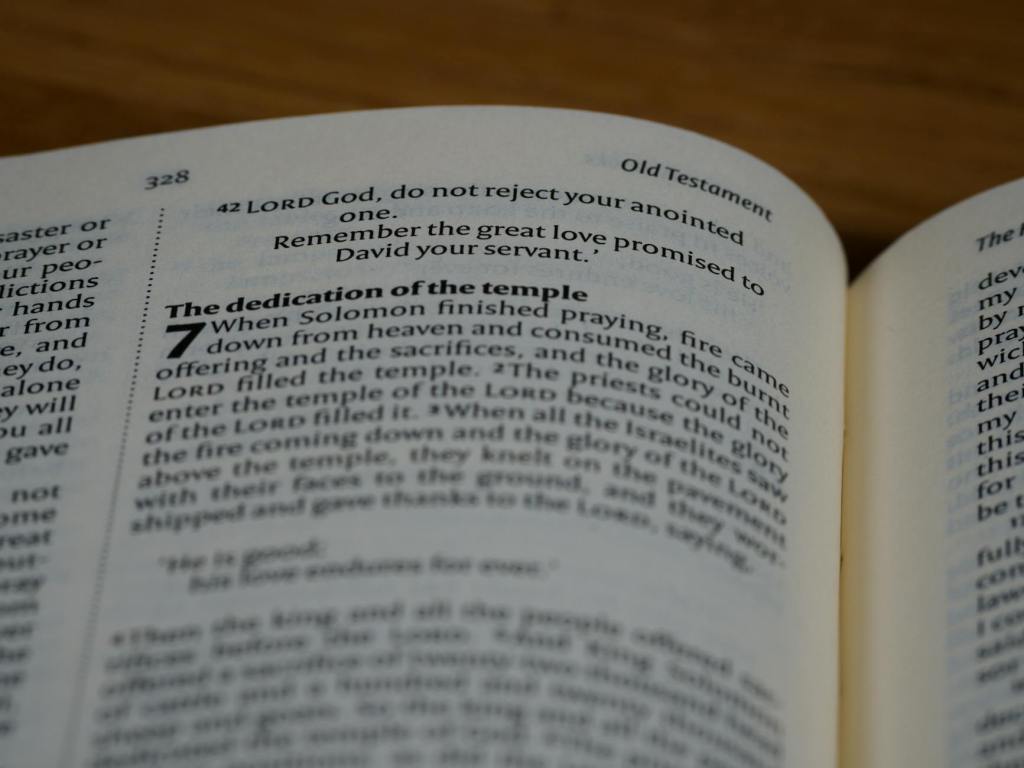
God’s word had lost none of its potency. When David was anointed as king over all of Israel, it was according to the word of God (1 Chron. 11:3). 1 Chronicles 11 stresses this point as well as any chapter. David was established as King by God’s design. The great feats of David’s mighty men (1 Chron. 11:10-25), record how God worked through David’s reign. Incredible accomplishments that were all intended to remind the reader who returned from exile that their God was still capable. God could still raise a nation’s defenses (see 1 Chron. 12). God would patiently work with a nation through their mistakes (the mishandling of the ark of the covenant, see 1 Chron. 13). God once dwelt with His covenant people and still wanted to dwell with them (1 Chron. 15-16). The reminder of the covenant as repeated in 1 Chronicles 17 reminded the returner of God’s covenant loyalty and faithfulness. God’s people once conquered and still could take refuge in the God who gave them victories (1 Chron. 18-20). Even as 1 Chronicles ends and 2 Chronicles begins, this point is stressed as heavily through the reign of Solomon and the following Judahite kings. 2 Chronicles records the heights of Solomon’s wealth and prosperity, but follows that with the record of his downfall and the nation’s degradation. It reminded them of what once was and what could be again, but it also reminded them of why they lost it all. God’s promises were still sure and dependable.
 The Preacher's Desk
Leave a comment